If you’ve struggled with inflamed, red or blemish-prone skin, you’re probably familiar with the Big Three: salicylic acid, benzoyl peroxide and glycolic acid. But there’s another one having a major moment right now: azelaic acid.
The ingredient is popping up everywhere, from TikTok to your derm’s office—though, as New York dermatologist Dr. Kiran Mian notes, experts have been using it in practice for decades. The renewed demand has even led to a shortage of Finacea, the prescription-strength version of azelaic acid: Dr. Mian says suppliers are reporting that it’s backordered, leading to delays for patients waiting on it. (Not to worry: the over-the-counter versions remain easy to find.)
So what’s the hype about—and is it warranted? Ahead, everything to know about the ingredient dermatologists have quietly loved for decades as the rest of the internet is only now catching on.`
What is azelaic acid?
Azelaic acid occurs naturally in barley, rye and wheat, and it belongs to the carboxylic acid family. New Orleans dermatologist Mary Lupo, MD calls azelaic acid “a Swiss Army knife” when it comes to skin care. “I wish more people knew about azelaic acid,” adds Rochester, MI dermatologist Mariana Atanasovski, MD. “It can help with acne and clogged pores, redness and inflammation, hyperpigmentation, melasma and overall uneven skin tone and texture.”
It’s also FDA-approved for rosacea and acne, though dermatologists have used it off-label for decades on melasma and post-inflammatory hyperpigmentation, too. Despite treating so much, it’s not typically used alone: “It’s a relatively gentle ingredient that’s often used as part of a broader regimen rather than a standalone solution,” says Washington, D.C. dermatologist Nina Hartman, MD.
Does azelaic acid help fight acne?
In one word: yes. Azelaic acid is an effective treatment for acne due to its antimicrobial properties. Boston dermatologist Dennis A. Porto, MD, says it treats the hyperpigmentation that follows acne, too. Shenandoah, TX dermatologist Lana Hawayek, MD, recommends it for darker skin types dealing with blemishes and scarring.
Columbus, GA dermatologist Tanda Lane, MD, says it also “decreases abnormal follicular keratinization so it helps with comedones much like tretinoin does, but without the peeling.” As Laguna Hills, CA dermatologist Jennifer Channual, MD, puts it, “azelaic acid is great for patients who have sensitive skin and have a hard time tolerating topical retinoids or other strong topicals.”
Does azelaic acid lighten hyperpigmentation?
Azelaic acid “inhibits tyrosinase, so it’s helpful for pigmentary concerns without the irritation hydroquinone can cause,” explains Dr. Lane. New York dermatologist Marisa Garshick, MD, says it can help even out skin tone and lighten melasma—a benefit Miami Beach, FL dermatologist Melissa Lazarus, MD, has seen too. Dr. Mian agrees, using it frequently for both melasma and post-inflammatory hyperpigmentation (PIH) left behind by acne.
Does azelaic acid reduce redness?
Azelaic acid is effective at treating rosacea and reducing skin redness, says Wilmington, NC dermatologist Kendall Egan, MD. Miami Beach, FL dermatologist Melissa Lazarus, MD, has found it especially useful “in patients with rosacea that will not tolerate some of the other bleaching agents.” Dr. Mian points to another benefit for these patients: it “can help to decrease the reactivity of sensitive skin,” making it a fit for anyone whose skin flushes or reacts easily—not just those with the condition.`
Azelaic acid vs. retinol
“Azelaic acid and retinol are very different in their mechanism of action and thus their roles—they’re often paired rather than compared,” says Dr. Hartman. Retinol increases cell turnover and stimulates collagen production, making it the better choice for fine lines, texture and long-term anti-aging.
Azelaic acid, meanwhile, is more of a multitasker, with anti-inflammatory and antimicrobial properties that normalize keratinization and reduce pore-clogging.
The biggest misconception about azelaic acid
Not every dermatologist is convinced, though. Take Algonquin, IL dermatologist Vic Khanna, MD, who calls the ingredient weak.
Dr. Hartman hears this a lot, too: the idea that azelaic acid is too gentle to actually work. “It’s true that azelaic acid is a gentler active, but there’s strong evidence supporting its efficacy for rosacea, acne and pigmentation,” Dr. Hartman says—though she notes it’s often used alongside other products for the best effect.
The flip side of that misconception is just as common: Because the ingredient has “acid” in its name, people assume it must be harsh. “In reality, it’s one of the best-tolerated actives we have, including for sensitive and reactive skin types,” says Dr. Hartman.
Can you use azelaic acid every day?
Azelaic acid is known to be easier than most acids to tolerate, so it can be used daily. As with any active ingredient, daily SPF is essential to protect skin and support results.
The secret sauce to seeing results: consistency. “If patients follow the recommended regimen of using [azelaic acid] twice daily, along with a moisturizer and a sunblock, it is extremely effective,” says Harrison, NY dermatologist Jennifer Silverman Kitchin, MD.
Patience matters, too: Dr. Mian tells patients it typically takes at least four weeks to see visible changes, including “improved clarity of your skin, less redness and more even tone.”
Can you use azelaic acid while pregnant?
Both Dr. Mian and Dr. Channual say azelaic acid is their “go-to for pregnant or breastfeeding patients.” Dr. Lazarus adds: “I use it often in acne patients and melasma patients that are pregnant, as it is Category B and safe during pregnancy.”
Some doctors reach for azelaic acid specifically because their patient is pregnant, since other, stronger options—like retinoids—usually aren’t an option during pregnancy. “I recommend it mostly in the setting of pregnancy, since we know azelaic acid is quite safe in that setting, but it is not as potent as other options such as retinoids,” says Orange County, CA dermatologist Daniel Chang, MD.`
What percentage of azelaic acid should you use?
Azelaic acid comes in a range of strengths, and the right one depends on how your skin handles it. Over-the-counter formulas are typically 10 percent—the concentration found in most drugstore, Ulta and Sephora buys—and, per Dr. Mian, still “very effective” for most people.
Prescription options go higher: Finacea Gel is 15 percent (also available as a foam—Dr. Lupo’s favorite), while Skinoren Cream goes up to 20 percent. “15 to 20 percent azelaic acid will give you the most robust results,” Dr. Mian says, though the tradeoff is tolerability. Higher concentrations are more likely to sting, so Dr. Milan recommends easing in, starting every other day at a higher strength, or sticking with the 10 percent OTC version before working up to daily use.
Dr. Hartman breaks down who each strength suits best: prescription azelaic acid is what she prefers for patients dealing with rosacea and acne, while OTC formulas—typically 10 percent or under, often in serum form—are a good fit for those chasing azelaic acid’s brightening and calming benefits, or for patients with reactive skin who are working their way up to a prescription strength.
For anyone chasing faster results, Beverly Hills, CA dermatologist Natanel Jourabchi, MD, is more direct: “If you’re serious about results, I’d skip the lower strength OTC versions and ask your dermatologist about prescription-strength 15 percent azelaic acid.”
What to pair with azelaic acid—and what to avoid
Niacinamide “works very synergistically with azelaic acid,” says Dr. Mian—it helps with redness and decreases oil production, a combination Vienna, VA dermatologist Brenda Dintiman, MD especially likes “for acne with pigment that develops after the skin is inflamed.” Dr. Hartman suggests pairing with vitamin C for brightening and hyaluronic acid for hydration (“sunscreen, of course, is non-negotiable,” she adds), while retinol is another strong partner—some compounding pharmacies even combine tretinoin and azelaic acid into a single formula.
What experts don’t recommend: combining azelaic acid with high percentages of exfoliating acids—salicylic, mandelic or glycolic—as layering multiple acids can be irritating. Should you want to keep them in your routine, Dr. Mian’s advice is to alternate them—one in the morning, the other at night.
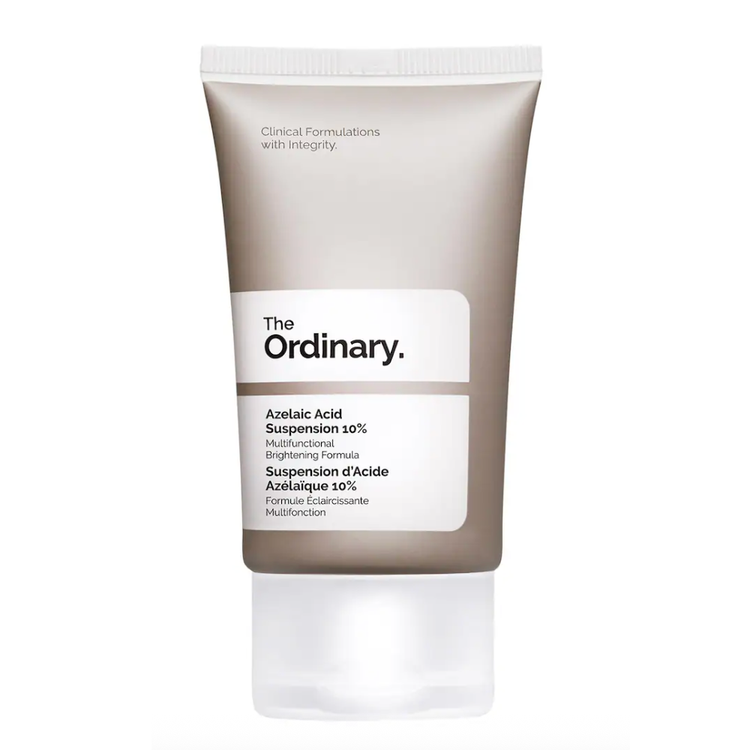
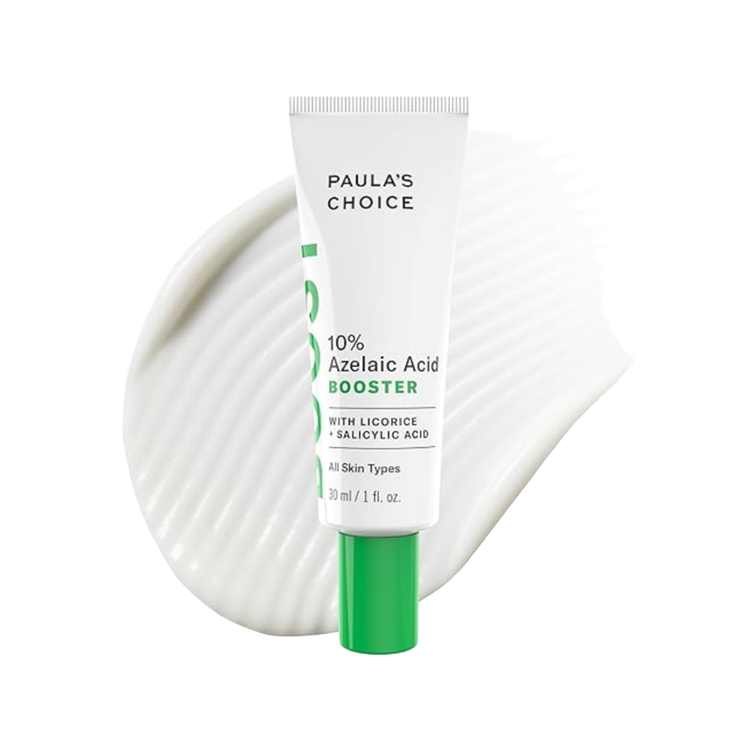
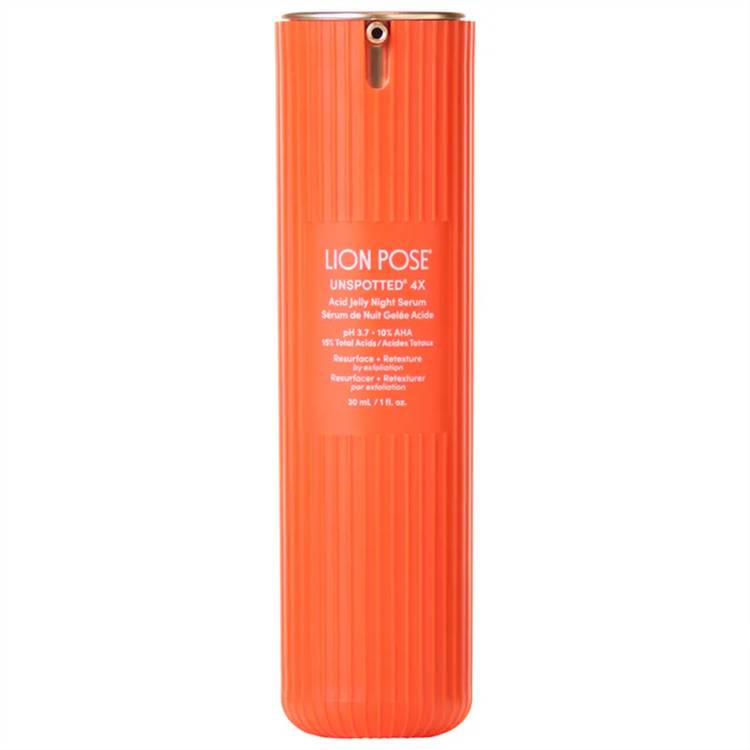
The Best Azelaic Acid Products to Shop in 2026
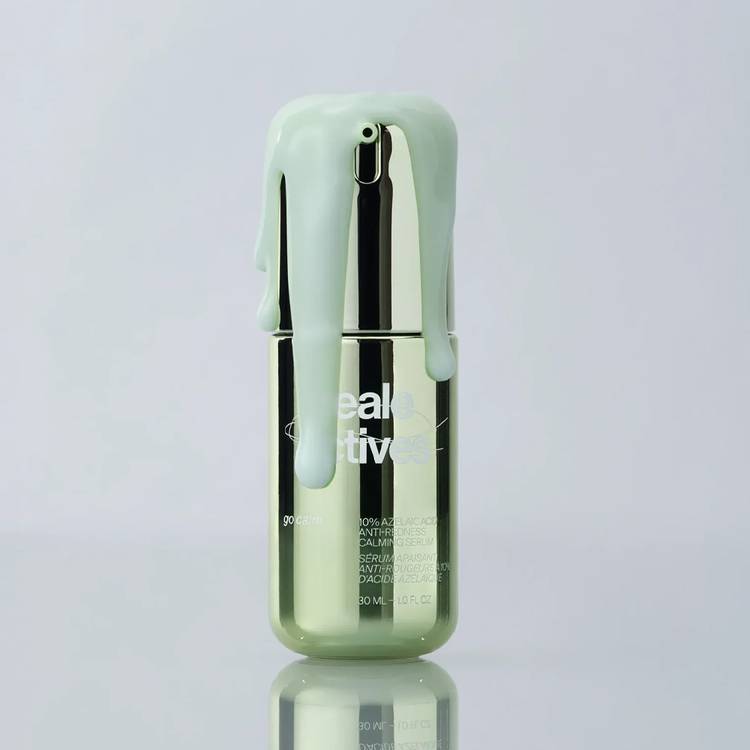
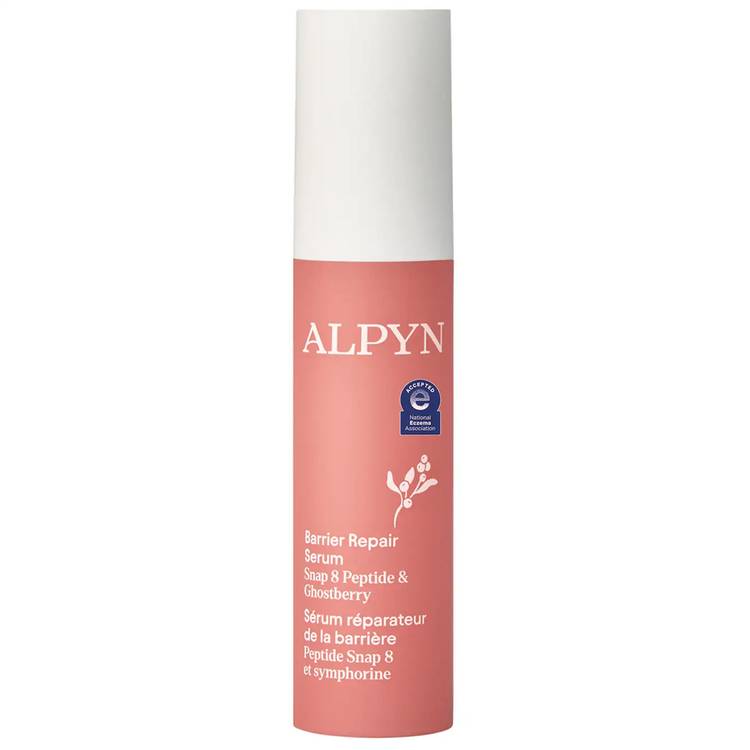
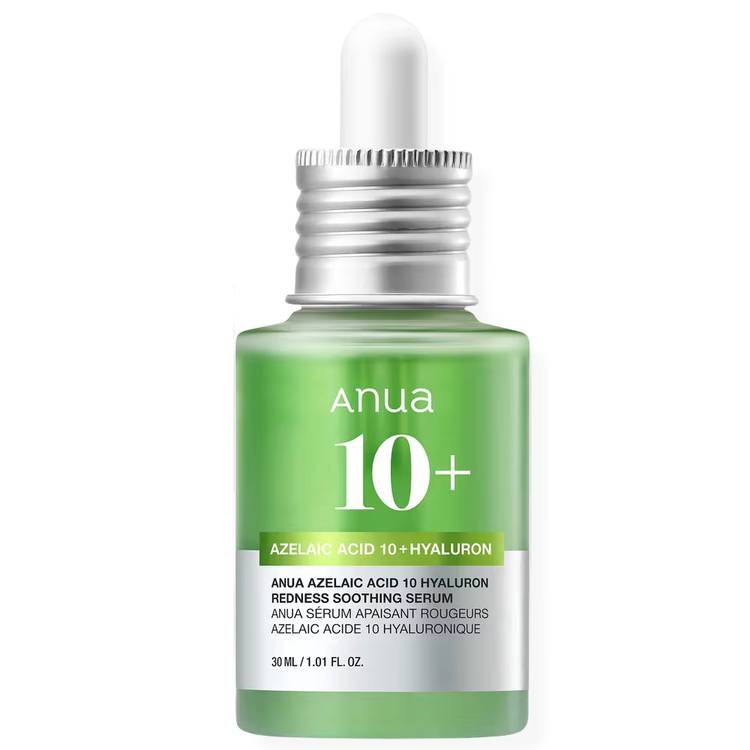
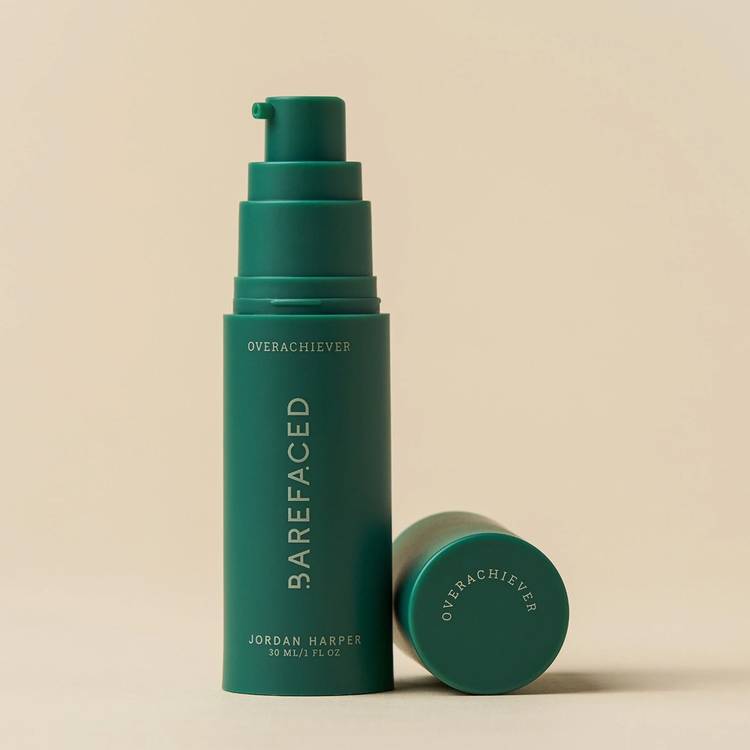
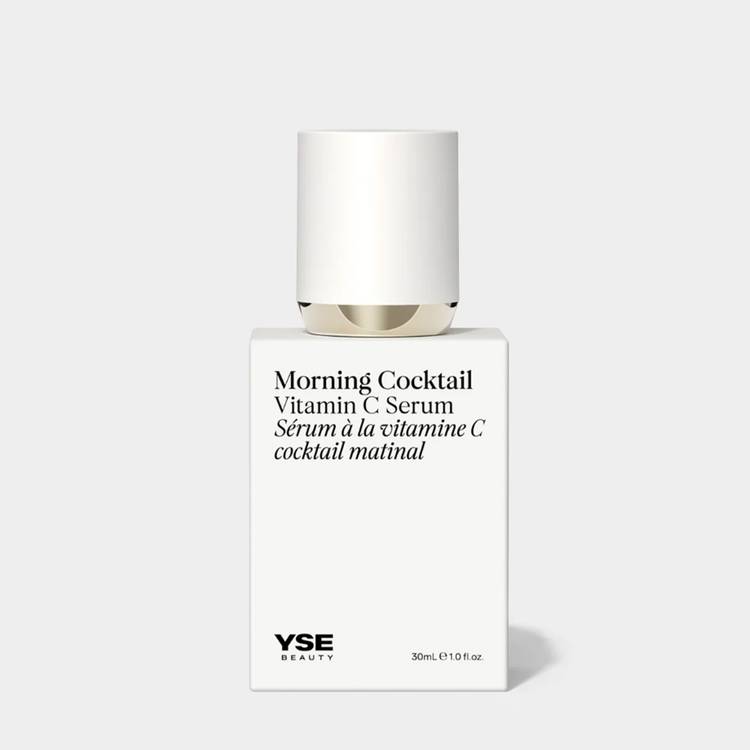
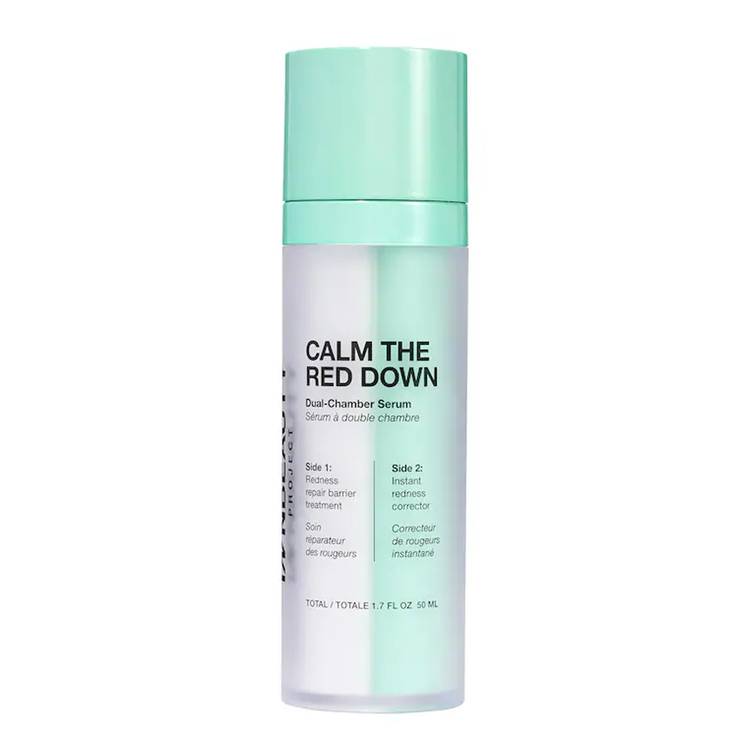
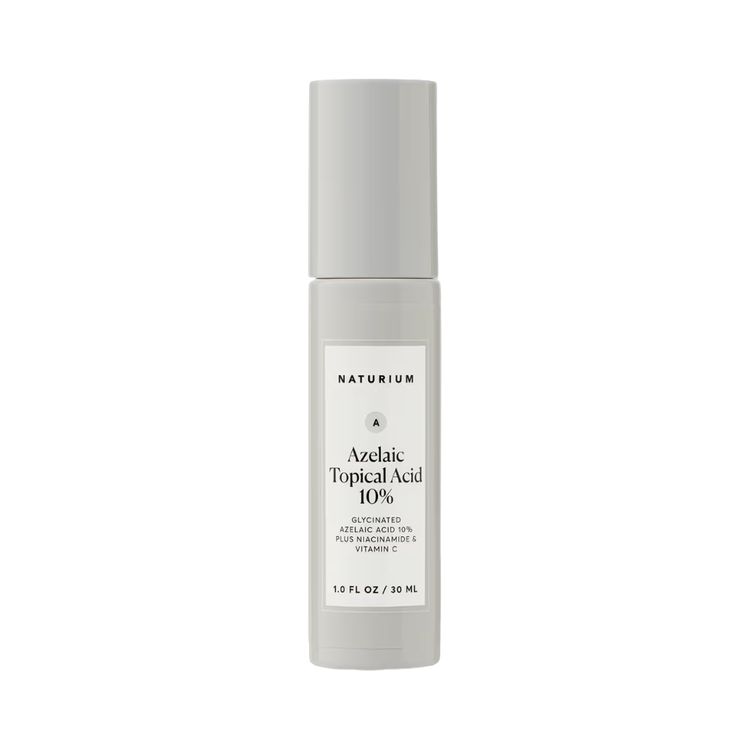
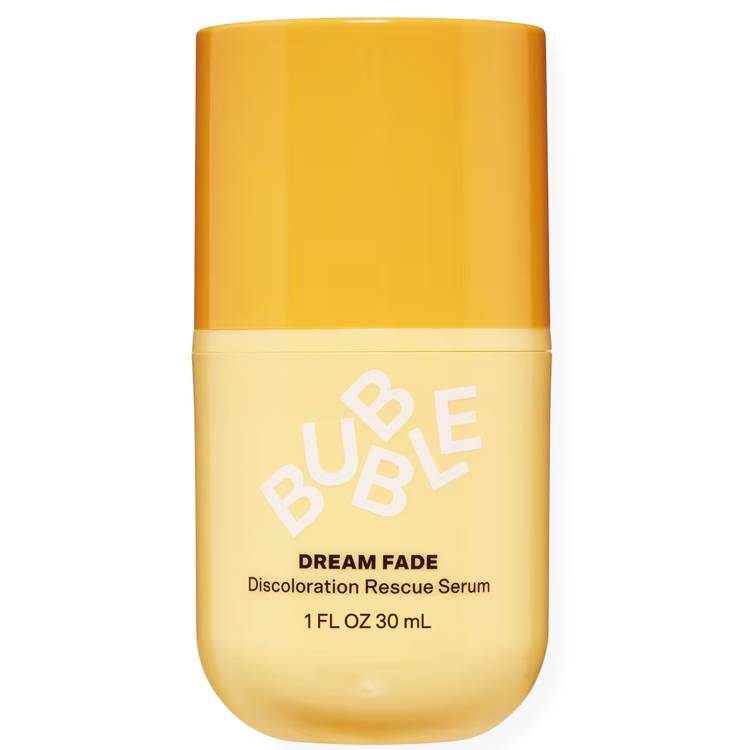
While prescription products such as Finacea Gel and Skinoren Cream are available from your dermatologist, over-the-counter products (commonly concentrations of 10 percent) can be found everywhere from Ulta to Sephora.
Still waiting on a prescription, or prefer a gentler starting point? The OTC picks below are a great place to start.
1 / 12
2 / 12
3 / 12
4 / 12
5 / 12
6 / 12
7 / 12
8 / 12
9 / 12
10 / 12
11 / 12
12 / 12