Keratosis pilaris (aka “KP”) is a common, harmless skin condition that, like stubborn acne breakouts, often leaves people desperate for solutions. Much of the confusion comes down to nuance (To exfoliate or not? Chemical exfoliants or physical scrubs? Treat it or let it be?), and Reddit threads run deep with tips that have brought sufferers real relief, though not everyone is so lucky—which makes sense, given how common KP actually is. According to the Cleveland Clinic, KP affects around 40 percent of adults, meaning it’s likely affecting someone you know, or even you.
So what is keratosis pilaris, actually? According to New York dermatologist Michelle Henry, MD, KP occurs when keratin—a protein that normally shields skin from infections, irritants and UV damage—builds up around hair follicles instead of shedding properly, creating rough, small bumps most commonly on the back of the arms (though it can also appear elsewhere, including, less commonly, under the breasts).
KP’s exact cause remains unknown, but genetics are thought to play a role. “It runs fairly strong in families,” says Omaha, NE dermatologist Joel Schlessinger, MD, adding that it also tends to worsen after pregnancy and during growth spurts. A compromised skin barrier is another trigger, according to Davie, FL dermatologist Marianna Blyumin-Karasik, MD, which is why KP so often shows up alongside eczema and other chronic skin conditions. The bumps are generally painless, though they can sometimes become inflamed, itchy or very red.
Whatever the trigger, the good news is that there is no shortage of ways to manage it; you just need to find what works for you. Ahead, board-certified dermatologists break down the best options, from in-office chemical peels to at-home exfoliating lotions and beyond.
Keratosis Pilaris Treatment Options
In-Office Treatments for Keratosis Pilaris
For those ready to go beyond drugstore products, dermatologists’ offices offer a more heavy-duty arsenal. Dr. Henry suggests microdermabrasion, which physically buffs away the outer layer of dead skin. West Palm Beach, FL dermatologist Jacob Beer, MD, meanwhile, tends to favor chemical peels—about once a month, with real improvement typically visible after two to three sessions. “Prescription retinoids can also be helpful but will take some time,” he adds. For lingering redness specifically, he turns to pulse dye laser.
Even after your KP clears up, it can leave discoloration behind. “Some of the post-inflammatory hyperpigmentation can be improved gradually,” says Dr. Beer, who typically turns to resurfacing treatments or pigmentary lasers on low settings. Treatment isn’t one-size-fits-all, though: Results and settings vary by skin tone, and patients with darker skin, for instance, may develop lighter spots that call for a different approach.
How to Treat Keratosis Pilaris at Home
If you’re going the DIY route, gentleness matters most. New York dermatologist Elaine Kung, MD, steers her patients away from physical exfoliation altogether, explaining that scrubbing can lead to lichen amyloidosis, a condition marked by hardening and discoloration around hair follicles.
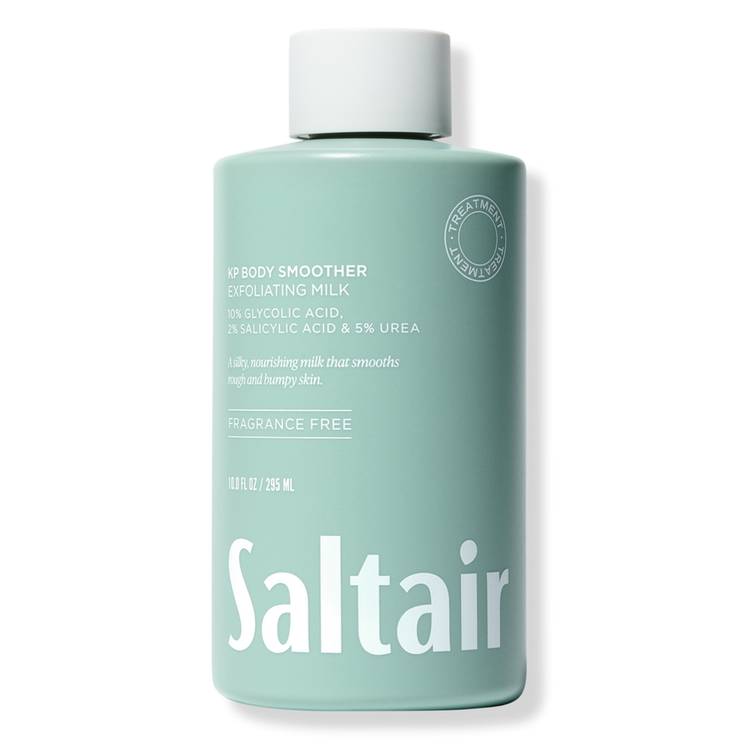
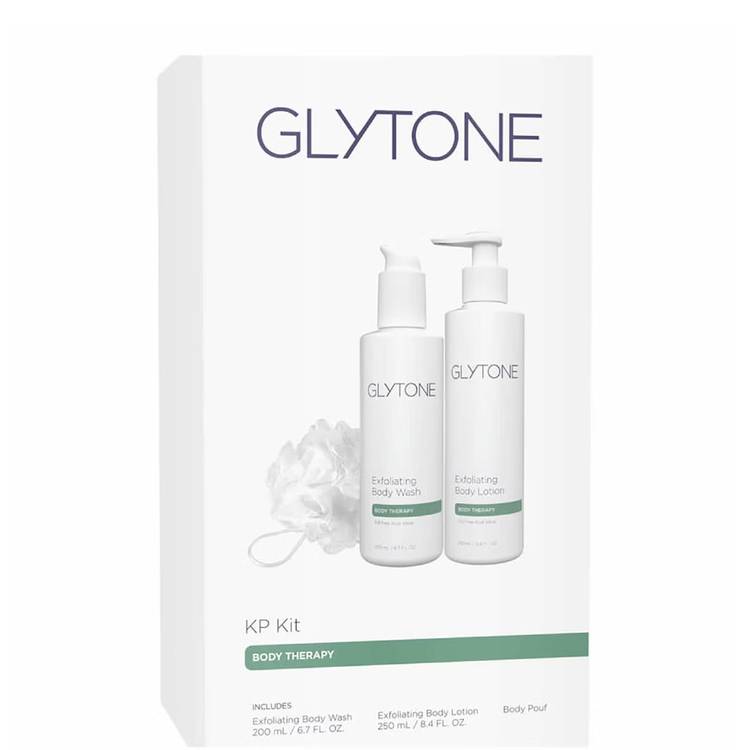
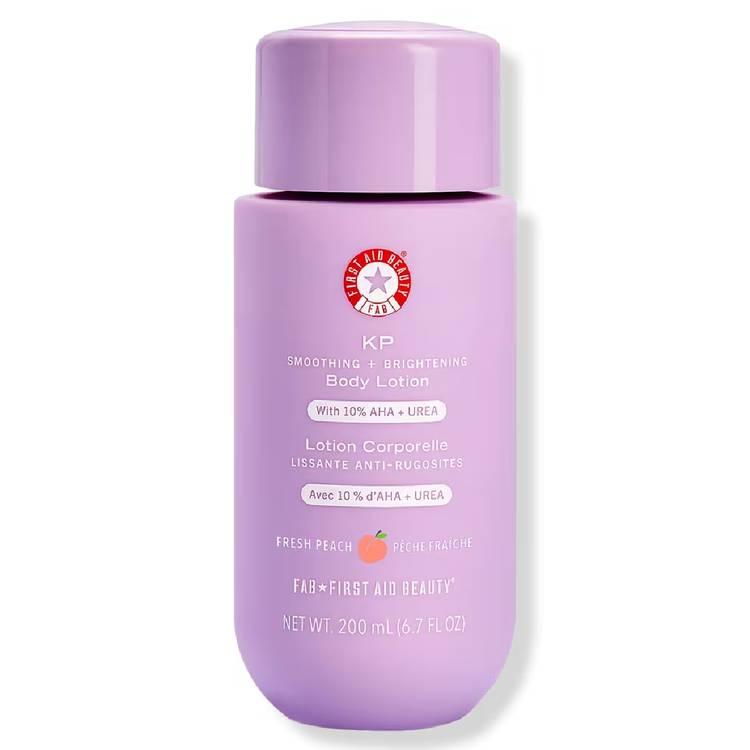
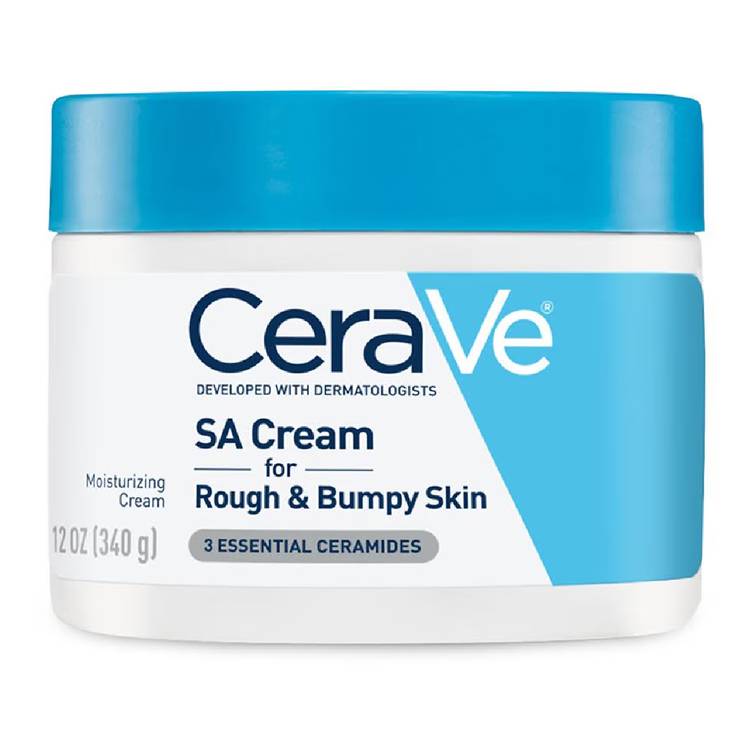
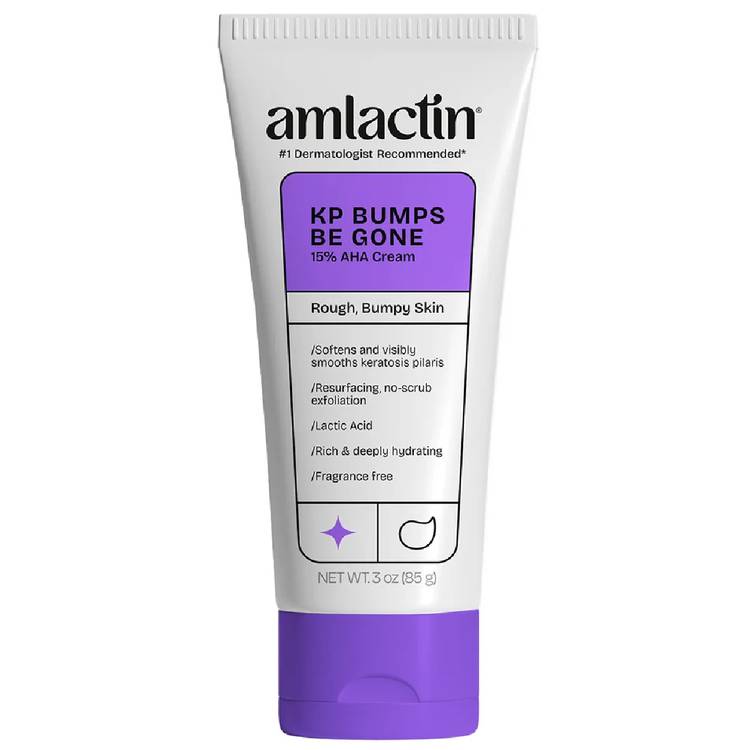
Chemical exfoliants are the safer bet. But not all of them work the same way, so it helps to know where to start. Dr. Beer points to salicylic acid as a strong first step (just don’t overdo it, since it can be irritating with frequent use.) Lactic acid (often labeled 12 percent ammonium lactate) and 20 percent urea cream are two more favorites, doing double duty as both exfoliants and moisturizers. Glycolic acid tends to be gentler on skin, a good option if yours runs sensitive. And if you’re looking for a long-term fix, retinoids offer the best results—they just take longer to work, and can cause some irritation in the beginning.
A simple place to start, per Dr. Beer: a salicylic acid wash two to three times a week, plus a daily lotion with 12 percent ammonium lactate or 20 percent urea. While some people may need a prescription-strength option or in-office treatment to see real change, for many, an over-the-counter, at-home routine is enough to make a noticeable difference.
Does Hypochlorous Acid Help with Keratosis Pilaris?
Hypochlorous acid has come up as a potential fix for KP, but Dr. Beer isn’t convinced it’s doing much. “Hypochlorous acid is helpful as an antiseptic and is somewhat anti-inflammatory, but overall there’s very little mechanistically as to why it would help with keratosis pilaris,” he says. “It doesn’t help with the abnormal keratinization or the hair follicle problem. It may help minimally on inflammation. I think it’s mostly a social media trend.”
If you want to try it anyway, use it alongside an actual keratolytic, not instead of one. “It would likely be helpful to combine that with a keratolytic such as glycolic acid, salicylic acid or urea,” Dr. Beer says. As with any new addition to your routine, check with your dermatologist on frequency, especially if you’re layering it with other exfoliating treatments.
Best Keratosis Pilaris Products, According to Dermatologists
1 / 7
2 / 7
3 / 7
4 / 7
5 / 7
6 / 7