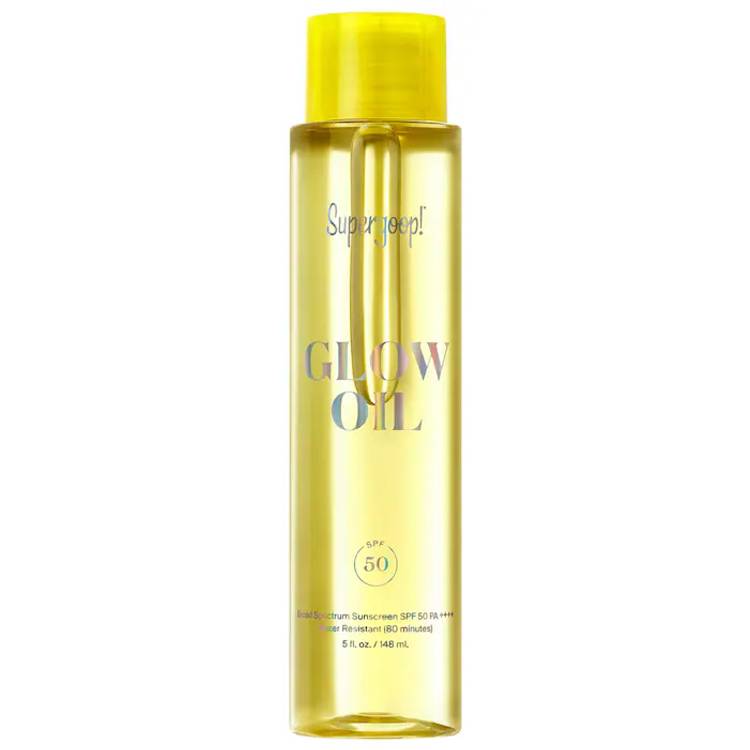





Sunscreen oils are everywhere right now, but do they actually protect your skin? It’s safe to say sunscreen is in its golden era, with everything from transparent lotions and nonsticky sprays to sticks, serums and SPF-infused makeup. One of the most talked-about formats this year is a twist on a classic: sunscreen oils. While reminiscent of tanning oils from the 1980s and ’90s, today’s versions are not just tanning oils with SPF.
So what exactly is a sunscreen oil—and is it as effective as other formulas? I asked three dermatologists to find out.
Featured Experts
- Jacob Beer, MD is a board-certified dermatologist in West Palm Beach, FL
- Jody A. Levine, MD is a board-certified dermatologist in New York
- Kristina Collins, MD is a board-certified dermatologist in Austin, TX
What Is Sunscreen Oil and How Does It Work?
Turns out, sunscreen oils are exactly what they sound like. They are “oil-based products containing ingredients that help protect the skin against the sun’s UV rays,” explains New York dermatologist Jody Levine, MD. Simply put, they’re just another form of SPF. “Their consistency is favorable to people who don’t like the texture of traditional sunscreen lotions,” says Dr. Levine.
Do Sunscreen Oils Actually Protect Your Skin?
Sunscreen oils are often confused with tanning oils—but the difference is significant. “Sunscreen oils are formulated with UV filters that help protect the skin from both UVA and UVB damage while still giving skin a radiant finish,” says Austin, TX dermatologist Kristina Collins, MD. “Tanning oils, on the other hand, are typically designed to intensify sun exposure and often provide little to no meaningful sun protection.”
So do sunscreen oils actually protect your skin? Yes—but, as with any SPF, application (and reapplication) is key. According to the American Academy of Dermatology, you should use a broad-spectrum sunscreen with an SPF of at least 30, apply it generously and reapply every two hours—or more often if you’re swimming or sweating.
How Much Sunscreen Oil Should You Use?
Because sunscreen oils spread easily, they’re also easy to underapply. “You still need about one ounce, or a shot glass amount, to fully cover the body,” says Dr. Collins. “For the face alone, use about two finger-lengths of product. Applying too little significantly lowers the SPF protection listed on the bottle.”
What to Look For in a Sunscreen Oil
“Some of the best ingredients to look for [in a sunscreen oil] are zinc oxide or titanium dioxide, as they are physical blockers that provide broad-spectrum, maximum protection from the sun. In terms of oils, I would recommend jojoba oil, argan oil, or coconut oil as they are natural oils that can nourish the skin while offering many health benefits,” says Dr. Levine.
Many of today’s SPF oils lean into the nostalgic feel of the ’80s and ’90s—and that includes the signature tanning oil scent (IYKYK). Still, Dr. Levine cautions against added fragrance, “as they can dry out and irritate the skin.”
Who Should Use Sunscreen Oil?
Sunscreen oils can work for all skin types, but they’re especially appealing for those with dry skin thanks to their nourishing texture. For the face, however, dermatologists recommend being more selective. “Some oil-based sunscreens can clog pores or trigger breakouts, especially in acne-prone or sensitive skin types,” says Dr. Collins.
West Palm Beach, FL dermatologist Jacob Beer, MD, typically recommends sunscreen oils for the body over the face, noting that oil-free formulas are often better suited for acne-prone skin.
How to Apply Sunscreen Oil for Proper Protection
Always follow the instructions on the label, but in general, it’s best to apply sunscreen—including sunscreen oil—about 20 minutes before heading outdoors. That allows time for the formula to absorb into the skin and ensure effective protection, explains Dr. Levine.
Reapplication is just as important. “Sunscreen oils need to be reapplied every two hours, and even more frequently after swimming, sweating or towel drying,” says Dr. Collins. Dr. Beer takes it one step further, noting that oils should be reapplied “about every hour if the skin is wet and every one to two hours if it is fairly dry.”
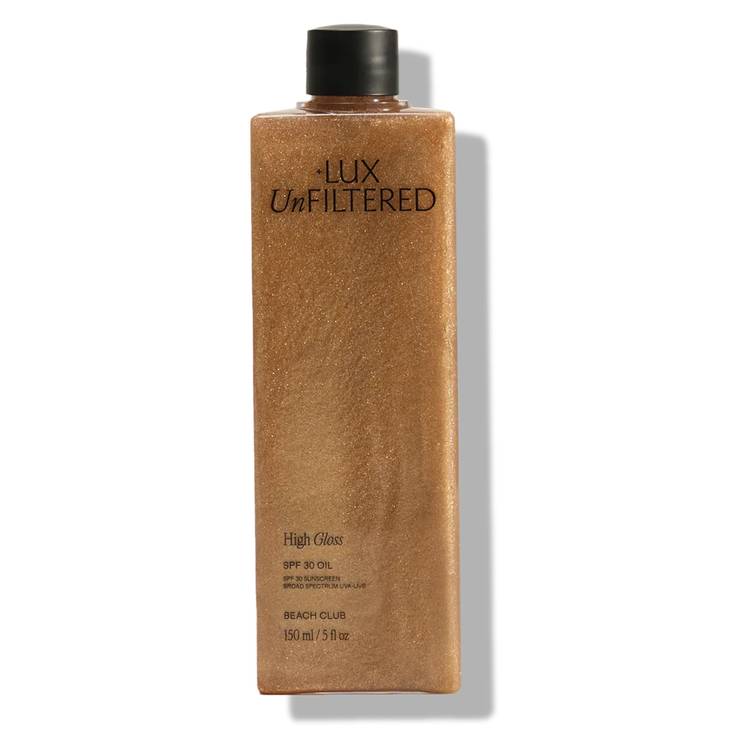
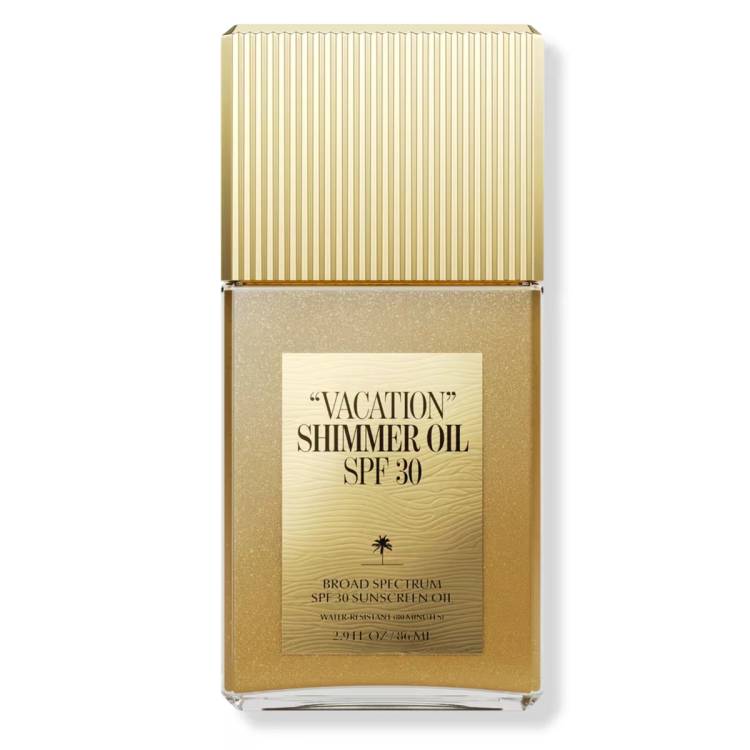
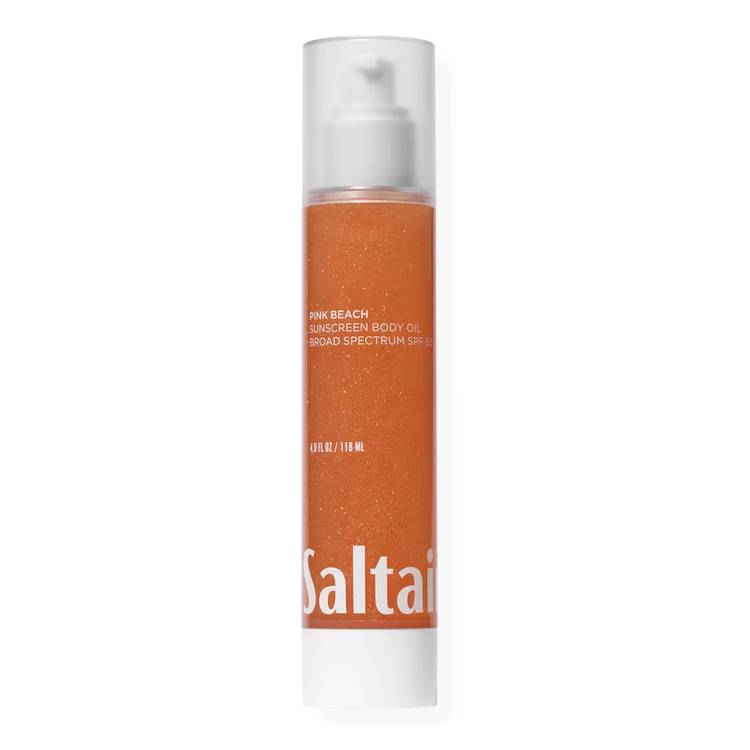
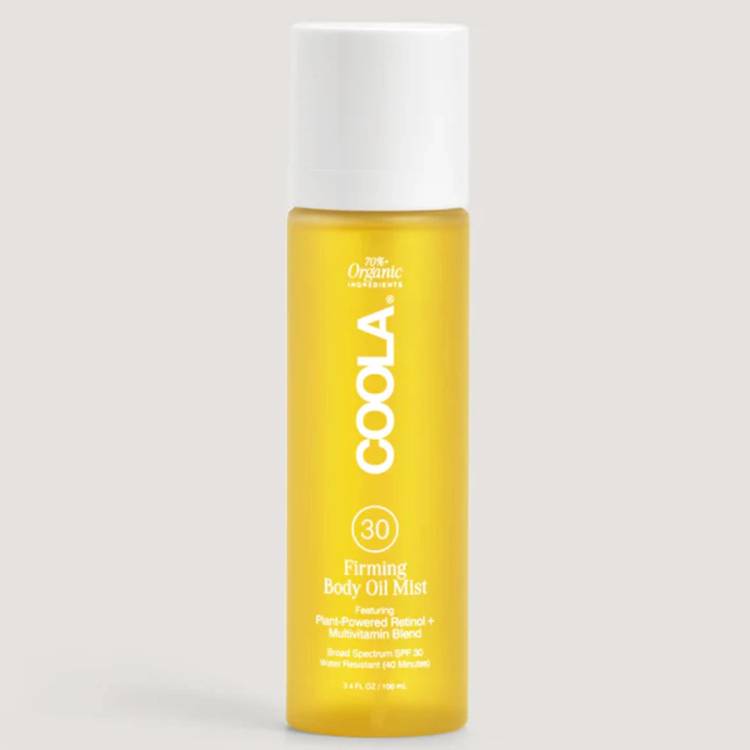
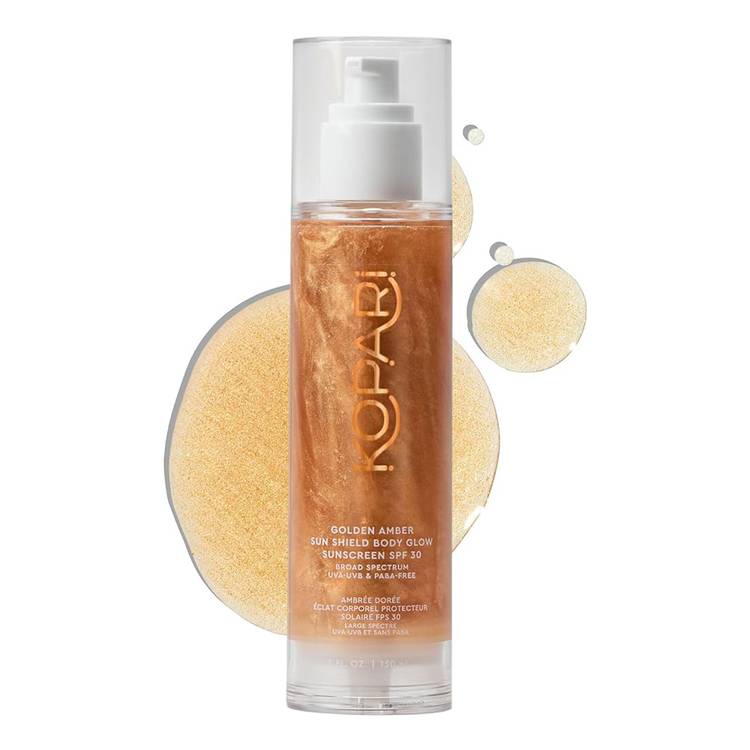
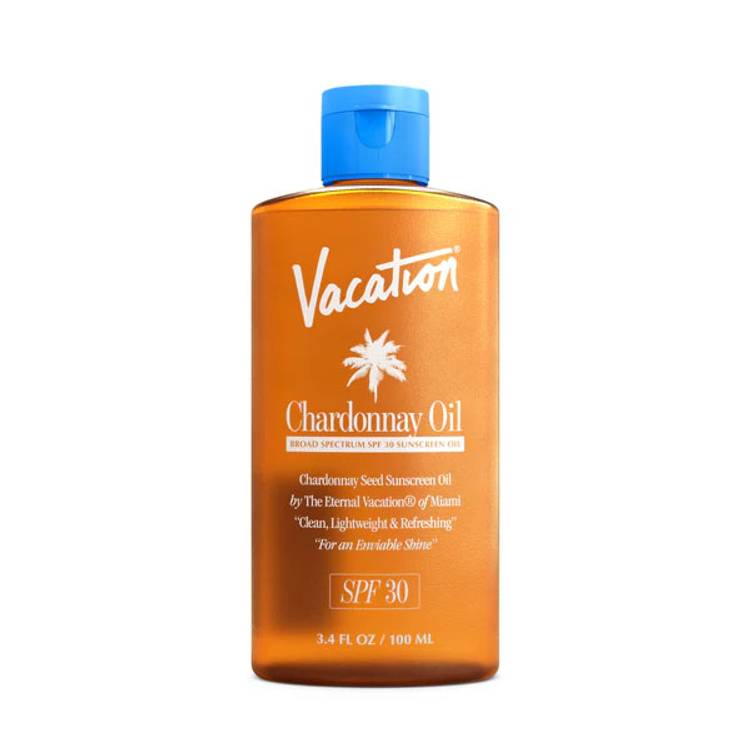
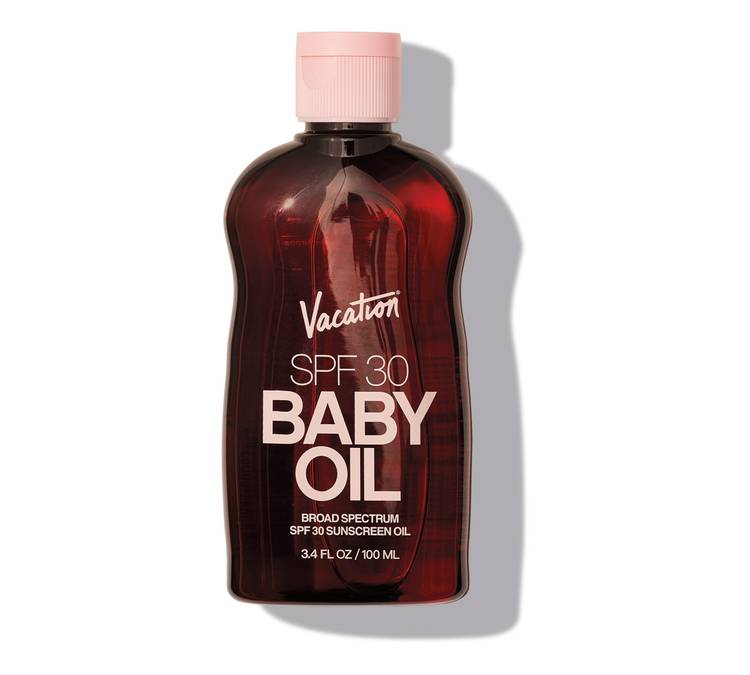
The 8 Best Sunscreen Oils to Try in 2026
1 / 8
2 / 8
3 / 8
4 / 8
5 / 8
6 / 8
7 / 8
8 / 8